
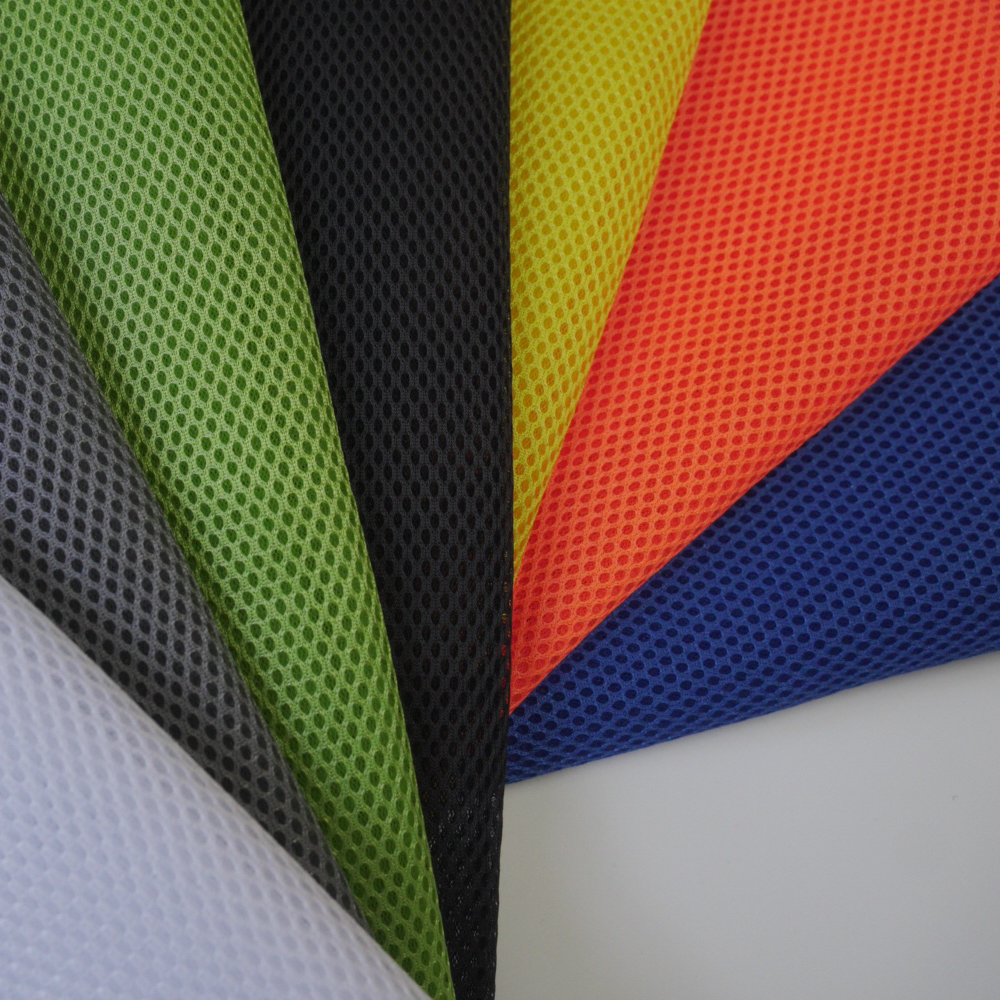
You see airmesh everywhere these days, but most people don't realize just how many products rely on this versatile fabric. It's in your shoes, your office chair, even your luggage.
Airmesh, also called 3D spacer fabric, is commonly used in three main areas: bags and luggage, home furnishings and furniture, and footwear materials. The circular hole pattern is the most popular style, with different widths serving different purposes.
I've been working with airmesh for years at Kaishitu, and I've seen how this material has changed the game in so many industries. Let me walk you through the main uses and help you understand why manufacturers choose airmesh for these specific applications.
Why Do Bag Manufacturers Prefer Airmesh?
Bag makers love airmesh, and there's a good reason for that. The material offers something traditional fabrics just can't match.
Bag manufacturers prefer airmesh because it provides breathability, durability, and lightweight properties that work perfectly for luggage, backpacks, and sports bags. The standard 150cm width makes it ideal for most bag construction needs.
When I talk with our bag manufacturer clients, they always mention the same things. First, airmesh keeps the bag light. Nobody wants to carry heavy luggage before they even pack anything. Second, the fabric breathes. This matters more than you think. Sweaty gym clothes in your sports bag? Airmesh helps air circulate so things don't get too funky.
The circular hole pattern works best for bags. Why? Because the pattern doesn't really matter much for luggage. People care more about weight and durability. A 150cm width is the sweet spot. It's wide enough to cut the pieces you need without wasting material.
Here's what different bag types typically use:
| Bag Type | Typical Width | Weight Range | Key Feature |
|---|---|---|---|
| Backpacks | 150cm | 200-300 GSM | Lightweight and breathable |
| Luggage | 150cm | 300-400 GSM | Heavy-duty and durable |
| Sports bags | 150cm | 250-350 GSM | Moisture management |
| Laptop bags | 150cm | 250-300 GSM | Cushioning and protection |
The weight matters a lot here. We measure it in GSM (grams per square meter). Heavier doesn't always mean better. You need to match the weight to the purpose. A lightweight backpack needs less weight. A heavy suitcase that gets tossed around airports needs more.
How Does Airmesh Work in Home Furnishings?
Home furnishings represent a huge market for airmesh. You probably sit on it right now without knowing it.
Airmesh works in home furnishings by providing comfort, breathability, and long-lasting support for mattresses, cushions, and upholstery. The wider 220cm width is standard for home textile applications.
The 220cm width makes all the difference for furniture. Think about a mattress or a sofa. You need that extra width to cover the surface without seams. Nobody wants a seam running down the middle of their mattress.
Office chairs use airmesh a lot. I sit in one myself. The mesh back keeps air moving so you don't end up with a sweaty back after hours of work. Mattress toppers are another big use. The 3D structure creates space for air to flow, which keeps you cooler at night.
Here's something interesting. Home furnishing customers don't care much about fancy patterns either. They focus on the weight and the thickness of the mesh. A thicker mesh gives more cushioning. A specific weight range works better for different furniture types.
| Furniture Type | Typical Width | Weight Range | Main Benefit |
|---|---|---|---|
| Mattress toppers | 220cm | 300-500 GSM | Cooling and support |
| Office chair backs | 220cm | 200-350 GSM | Breathability |
| Sofa cushions | 220cm | 350-450 GSM | Comfort and durability |
| Car seats | 150-220cm | 250-400 GSM | Temperature control |
The pattern still matters a bit for furniture, but not as much as you might think. Most furniture pieces get covered with another layer of fabric anyway. The airmesh sits underneath, doing its job of keeping air moving and providing structure.
What Makes Airmesh Special for Footwear?
Footwear is where airmesh gets really interesting. This is where patterns and style actually matter.
Airmesh is special for footwear because it combines breathability with design flexibility, making it perfect for athletic shoes, casual sneakers, and sports footwear. The pattern variety allows brands to create distinctive looks.
Shoe manufacturers are different from bag and furniture makers. They care a lot about how the mesh looks. A shoe sits right there on your foot where everyone can see it. The pattern becomes part of the design.
I work with shoe clients all the time, and they always want to see the latest patterns. The fashion changes fast in footwear. What's popular this season might be old news next season. We keep developing new patterns to keep up with these trends.
The circular hole pattern works for shoes too, but you'll also see hexagons, diamonds, and all kinds of custom designs. Some brands even create their own unique patterns as part of their identity. You can probably recognize certain shoe brands just by looking at the mesh pattern.
Here's how different shoe types use airmesh:
| Shoe Type | Pattern Style | Weight Range | Key Feature |
|---|---|---|---|
| Running shoes | Various designs | 150-250 GSM | Maximum breathability |
| Basketball shoes | Bold patterns | 200-300 GSM | Support and ventilation |
| Casual sneakers | Fashionable designs | 180-280 GSM | Style and comfort |
| Training shoes | Functional patterns | 200-280 GSM | Durability and airflow |
Shoe manufacturers also pay attention to weight, but they balance it with appearance. A running shoe needs to be light, so they use thinner airmesh. A basketball shoe needs more support, so they might use a heavier weight with a tighter structure.
The color options matter too. Shoes come in every color you can imagine. We produce airmesh in dozens of colors to match different shoe designs. Some clients even want custom colors to match their specific brand palette.
Conclusion
Airmesh serves three main markets with different needs: bags prioritize weight and durability at 150cm width, home furnishings need 220cm width for full coverage, and footwear focuses on fashionable patterns that change with trends.