Brands today face a simple problem. Customers want eco-friendly products, but switching to sustainable materials seems complicated and expensive. Many businesses worry about quality, costs, and finding the right supplier who understands their needs.
Recycled polyester air mesh offers a practical solution. This material reduces environmental impact while maintaining the performance standards your customers expect. It helps brands demonstrate genuine commitment to sustainability, which directly increases product value and customer loyalty.
I have worked with many brands making this transition. The early concerns always sound similar - will the quality match? Can we start small? The truth is, choosing the right manufacturing partner makes all the difference. Let me walk you through what really matters when adopting recycled polyester air mesh.
What Makes rPET Air Mesh Different from Regular Polyester Mesh?
The material science tells an interesting story. Regular polyester comes from petroleum - oil extracted from the ground, processed through chemical reactions, then spun into fiber. This process consumes significant energy and releases carbon emissions at every step.
Recycled polyester air mesh starts with post-consumer plastic bottles or textile waste. These materials get cleaned, shredded, melted, and reformed into new polyester fiber. The end product performs identically to virgin polyester while reducing carbon emissions by up to 75% and cutting water usage by 90%.
The physical properties remain consistent. I run the same tests on both materials - tensile strength, breathability, moisture management. The numbers come back nearly identical. The difference exists in the production chain, not the final fabric.
Many buyers ask about fiber quality. They worry recycled content means inferior performance. This concern made sense years ago when recycling technology was less refined. Today, advanced processing removes impurities and maintains molecular structure. The recycled polyester we use meets the same technical specifications as virgin material.
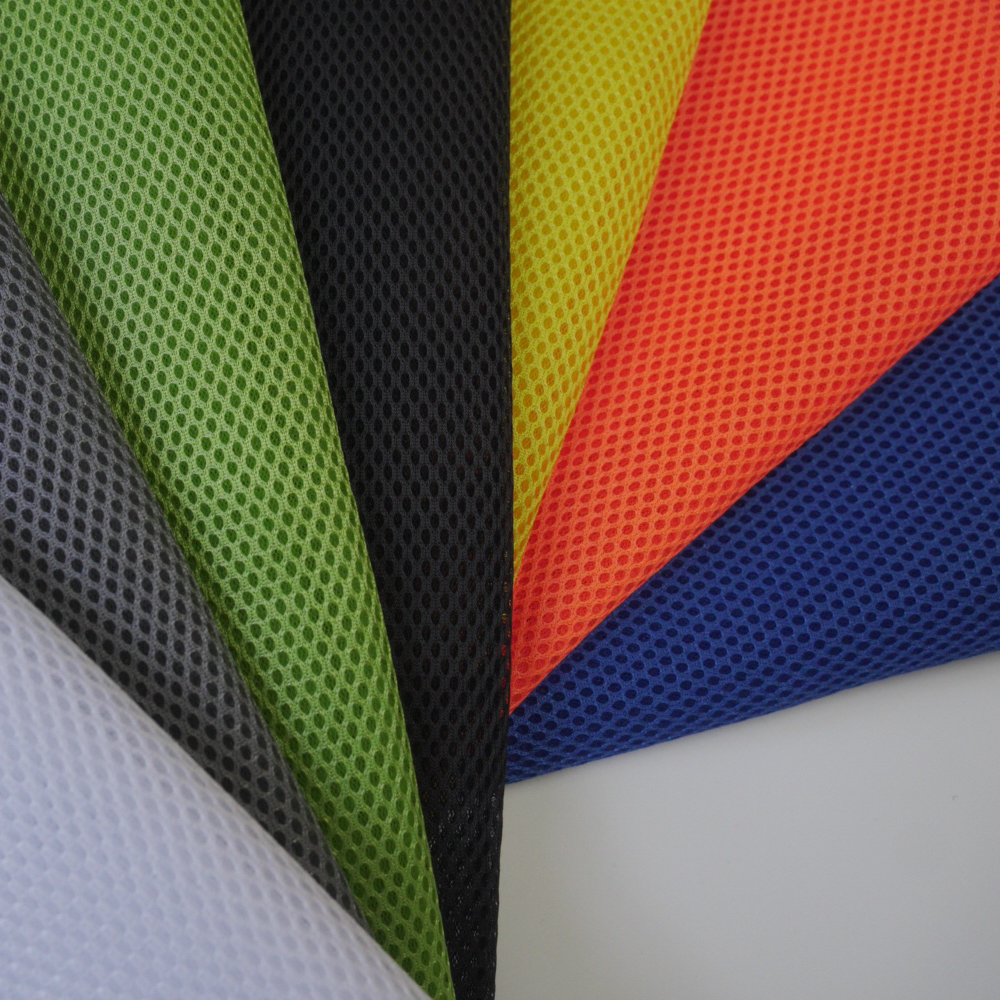
One key distinction matters for air mesh applications - the three-dimensional structure. Air mesh features two outer layers connected by monofilament yarns in between. This creates cushioning, breathability, and support. Whether we use virgin or recycled polyester, the mesh structure performs the same function. The recycling process affects the raw material, not the fabric construction method.
| Feature | Virgin Polyester Air Mesh | rPET Air Mesh |
|---|---|---|
| Carbon Footprint | Baseline (100%) | 25-40% of baseline |
| Water Consumption | High | 10% of virgin production |
| Performance | Standard | Identical to virgin |
| Cost Premium | Lower initial | 5-15% higher material cost |
| Brand Value | Standard | Premium positioning |
The certification process adds another layer of difference. Regular polyester needs no special documentation. Recycled polyester requires GRS certification - Global Recycled Standard. This certification tracks the recycled content through every step of the supply chain. It verifies that the material actually contains the claimed percentage of recycled content.
Why Do Brands Pay More for Certified rPET Materials?
Money follows meaning in today's market. I notice brands willingly accept higher material costs for certified recycled content. This seems counterintuitive until you understand customer behavior.
Consumers increasingly make purchase decisions based on environmental impact. Studies show 73% of global consumers will change their buying habits to reduce environmental harm. Products with verified sustainable materials command 10-30% price premiums, and customers accept these higher prices when they trust the environmental claims.
The certification provides proof. Anyone can claim their product uses recycled materials. The GRS certificate proves it through independent verification. This certificate traces the material from source through production to final product. Each facility in the chain must maintain certification and documentation.
I have seen what happens when brands skip certification. They announce sustainable products, customers question the claims, and trust erodes. The initial cost savings disappear when you factor in reputation damage. One major sportswear brand faced this exact situation three years ago. They claimed recycled content without proper certification. Media investigation revealed inconsistencies. The resulting scandal cost them significantly more than proper certification would have.
The brand value increase works through several mechanisms. First, media coverage and marketing become more effective. Journalists and influencers amplify verified sustainability stories. Second, retail partners prioritize brands with documented environmental commitments. Major retailers now require sustainability credentials from suppliers. Third, B2B customers include environmental criteria in RFPs and purchasing decisions.
The math becomes clearer when we look at actual numbers. Material costs for certified rPET air mesh run approximately 15% higher than virgin polyester. However, the finished product sells at 20-25% premium in most markets. The margin improvement covers the material cost increase and then some.
Certification also protects against supply chain issues. We have witnessed situations where factories used fake recycled materials. They sold regular polyester fiber claiming it was recycled content. Customers only discovered the fraud when end users questioned the sustainability claims. These situations create legal liability, contract disputes, and brand damage. The cost of resolving these problems far exceeds proper certification expenses.
| Cost Element | Impact | Timeline |
|---|---|---|
| Material Premium | +15% | Immediate |
| Certification Fees | +2-3% | Annual |
| Product Price Premium | +20-25% | Market dependent |
| Customer Retention | +12% | Long-term |
| Media Value | Significant | Ongoing |
The certification requirement does create challenges. Not every factory qualifies. The facility must invest in tracking systems, documentation processes, and periodic audits. Smaller operations often skip this investment. This limitation affects your supplier options.
How Does Small-Batch Development Work with rPET Air Mesh?
Most factories set high minimum orders for recycled polyester projects. This creates a real barrier for brands testing new products or entering sustainable markets. The factories have their reasons - certification tracking, material sourcing, production line setup. But these minimums block innovation and market testing.
Experienced manufacturers can handle small-batch development of rPET air mesh through specialized processes. We start projects at 500 meters instead of the typical 3000-meter minimum. This requires careful material planning, flexible production scheduling, and efficient documentation systems that maintain GRS compliance even for smaller runs.
The technical challenge lies in material procurement. Recycled polyester suppliers prefer large orders. They hesitate to sell small quantities because certification paperwork costs the same regardless of volume. We solve this by maintaining inventory of certified raw materials. This allows us to allocate smaller amounts to individual projects while purchasing in bulk from suppliers.
Production line setup presents another obstacle. Switching from one specification to another takes time and creates waste. Factories minimize these changeovers by grouping similar products together and running long production runs. Small batches interrupt this efficiency. We address this through smart scheduling. We group small-batch projects with compatible specifications and run them consecutively. This reduces changeover time and material waste.
The documentation requirements become more intensive with smaller batches. GRS certification demands transaction certificates for every sale. Each certificate traces the material through the production process. Creating these documents takes the same effort whether the order is 500 meters or 5000 meters. We have streamlined our documentation process using digital systems that automate much of the paperwork. This makes small-batch certification economically viable.
Quality control poses unique challenges at small scale. The testing requirements do not decrease with batch size. We still perform the same tensile tests, colorfastness checks, and dimension verification. The testing cost per meter increases for smaller batches. We manage this by using our established testing protocols efficiently and including testing in the project pricing transparently.
Many brands need small batches for specific reasons. They might be testing a new product concept before committing to full production. They could be creating limited-edition items for specific markets. Some need exact quantities to fulfill pre-orders without excess inventory. All these scenarios make business sense, but traditional minimum orders prevent them.
| Development Stage | Traditional Minimum | Our Capability | Benefit |
|---|---|---|---|
| Initial Sampling | 100-200m | 50-100m | Reduced commitment |
| Market Testing | 3000m+ | 500-1000m | Lower risk |
| Limited Edition | Not feasible | 500m+ | Market flexibility |
| Pre-order Fulfillment | High waste risk | Exact quantities | Inventory efficiency |
The experience factor cannot be understated. A factory new to rPET air mesh production will struggle with small batches even if they try to accommodate them. We have refined our processes over years of working with various specifications and order sizes. This experience allows us to identify potential issues early, adjust processes proactively, and maintain quality consistently.
Development support extends beyond just manufacturing. We help brands understand how different recycled content percentages affect cost and certification. We explain color matching considerations with recycled materials. We suggest construction modifications that optimize performance while maintaining sustainability goals. This consulting approach helps brands make informed decisions during development.
What Should You Check When Sourcing Authentic rPET Materials?
The recycled polyester market has a trust problem. Some suppliers sell virgin polyester claiming it contains recycled content. They provide fake documentation, knowing most buyers lack expertise to verify authenticity. This fraud hurts everyone - honest manufacturers, brands, and ultimately consumers who believe they are buying sustainable products.
Authentic rPET materials require three key verifications. First, check the supplier's GRS certification status directly with Control Union or other certifying bodies. Second, request and verify transaction certificates that trace material origin. Third, inspect the actual manufacturing facility for segregated storage systems and documentation practices that prevent material mixing.
The certification check starts online. The GRS database allows you to verify any facility's certification status. Do not accept just a certificate copy. Visit the certification body's website and search for the facility name or certification number. This takes five minutes and eliminates most fraud attempts. The database shows certification dates, scope, and any suspended or revoked certifications.
Transaction certificates accompany each material purchase. These documents specify the recycled content percentage, material type, and chain of custody. Each certificate has a unique number traceable back to the certifying body. We provide these certificates automatically with every shipment. Legitimate suppliers should offer them without prompting. If a supplier hesitates or makes excuses about transaction certificates, consider this a major warning sign.
Physical facility inspection reveals operational reality. We maintain separate storage areas for virgin and recycled materials. These areas have clear labeling and access controls. The production floor uses color-coded systems to track different material types through processing. Our documentation system records which materials enter which production batches. These operational practices are not optional for legitimate GRS-certified facilities - they are required.
Material testing provides another verification layer. Laboratory analysis can detect differences between virgin and recycled polyester through fiber structure examination and chemical composition testing. These tests cost more than most buyers want to spend routinely, but they serve as valuable spot-checks. We conduct periodic testing ourselves to verify our supplier's materials. We welcome customers who want to do the same with our finished products.
The recycled content percentage deserves attention. Some products claim "made with recycled polyester" but contain only 10-20% recycled content mixed with virgin material. Others achieve 50%, 75%, or even 100% recycled content. Higher percentages typically cost more but provide stronger environmental benefits and marketing value. The GRS certification specifies the exact percentage, so verify this number matches your expectations.
| Verification Step | What to Check | Red Flags |
|---|---|---|
| Certificate Database | Current certification status | Expired or missing certification |
| Transaction Certificate | Unique tracking number | Generic or photocopied documents |
| Facility Visit | Segregated storage systems | Mixed materials, poor documentation |
| Material Testing | Fiber composition analysis | Inconsistent with claimed content |
| Content Percentage | Exact recycled percentage | Vague claims, low percentages |
Supply chain transparency matters beyond fraud prevention. Understanding your material source helps manage supply stability. Recycled polyester comes from specific post-consumer or post-industrial sources. These sources face different collection and processing challenges. A supplier who explains their material sources and supply chain demonstrates legitimate operations and helps you plan for potential supply disruptions.
We source our rPET materials from three certified suppliers we have worked with for over five years. Each supplier specializes in different recycled content percentages and fiber specifications. This diversification ensures supply continuity while maintaining certification compliance. We can trace every meter of fabric we produce back to specific material batches and ultimate recycled sources.
The relationship between material authenticity and brand protection cannot be overstated. Your brand's sustainability claims rest on material verification. One fraud incident can undo years of environmental positioning and customer trust building. The verification effort represents insurance against reputation risk and legal liability.
Conclusion
Recycled polyester air mesh delivers environmental benefits and brand value when sourced correctly. Work with experienced manufacturers who handle small-batch development, use authentic certified materials, and understand the complete supply chain. This approach turns sustainability from a cost burden into a competitive advantage.